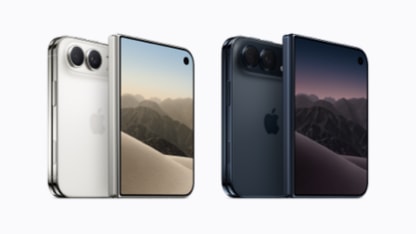

AI Smartphones in 2026: 7 Features Changing How We Use Our Phones
Artificial intelligence is changing how people use smartphones. Modern phones are becoming more than devices for calling, messaging, photography, and browsing. AI-powered features are helping users write messages, edit photos, translate languages, summarize information, and complete everyday tasks more efficiently.
In 2026, smartphone manufacturers continue to explore ways to make AI features more useful, personal, and accessible. However, the features available vary by phone model, software, region, and subscription.
- AI Assistants Are Becoming More Useful
AI assistants can help users answer questions, organize ideas, draft emails, and understand information. Some devices also support actions across compatible apps, although availability differs between manufacturers and operating systems.
- Smartphone Photography Is Getting Smarter
AI-powered camera tools can improve lighting, reduce noise, remove unwanted objects, and enhance portraits. These tools make photo editing easier for everyday users without requiring advanced editing skills.
- Live Translation Is Breaking Language Barriers
Compatible smartphones can translate conversations, messages, and selected audio in supported languages. This can help travelers, international students, and people communicating across language barriers.
Translation quality and offline support depend on the device and the languages involved.
- AI Can Help You Write Faster
Writing assistants can suggest clearer sentences, summarize long text, adjust tone, and help users draft professional messages. Students and professionals can use these tools to organize their thoughts, but important information should always be checked for accuracy.
- Smarter Search Makes Finding Information Easier
Some smartphones offer visual search tools that let users search using an image, an object, or selected content on the screen. Instead of describing everything in words, users can sometimes search directly from what they see.
- On-Device AI Can Improve Privacy
Some AI tasks can run directly on a smartphone rather than sending every request to a remote server. On-device processing can offer privacy and speed advantages, but it does not mean every AI feature works locally. Users should review app permissions and privacy settings.
- Battery Life and Performance Still Matter
AI features can require processing power and energy. Smartphone makers are improving chips and software to balance performance, battery life, and temperature. Actual results depend on the device, workload, and settings.
Are AI Smartphones Worth Buying in 2026?
An AI smartphone may be worth considering if you frequently use translation, photo editing, writing assistance, or intelligent search. However, you do not necessarily need an expensive flagship phone to benefit from AI; some features are available through apps on many existing devices.
Before buying, check software support, privacy controls, battery performance, storage, and whether the advertised AI features are available in your country.
The Future of AI Smartphones
AI is becoming an increasingly important part of the smartphone experience. The biggest improvement will not simply be having more AI features, but making them reliable, practical, and easy to use.
As this technology develops, users should compare real-world benefits rather than relying only on marketing claims. A smartphone is most useful when its AI features solve everyday problems without compromising privacy, performance, or value.