
How Smartphone Technology Is Changing in 2026: AI, Cameras, Batteries and More
Smartphones have become an essential part of everyday life. From communication and entertainment to online shopping, education, and work, people rely on their mobile phones for almost everything. In 2026, smartphone technology continues to evolve, with artificial intelligence, improved cameras, better battery efficiency, and faster connectivity shaping the future of mobile devices.
But what are the biggest changes in smartphone technology, and what should users look for when choosing their next phone?
- AI Is Making Smartphones Smarter
Artificial intelligence is becoming an important part of modern smartphones. AI-powered features can help users write messages, summarize information, edit photos, translate languages, and organize everyday tasks.
Some smartphones can also process certain AI features directly on the device, potentially improving speed and privacy while reducing the need to send every request to a cloud server.
As these features develop, AI could become one of the most important factors influencing smartphone buying decisions.
- Smartphone Cameras Are Becoming More Advanced
Mobile photography has improved significantly over the years. Modern smartphones combine advanced sensors, computational photography, and AI-powered image processing to produce detailed photos in different lighting conditions.
Features such as night photography, portrait modes, image stabilization, and improved video recording allow users to create content without carrying a separate camera.
However, a higher megapixel count does not automatically mean a better camera. Sensor quality, image processing, lens design, and real-world performance also matter.
- Battery Life and Charging Remain Important
Battery life is still one of the biggest concerns for smartphone users. Manufacturers are exploring more efficient processors, software optimization, and improved battery technologies to help devices last longer.
Fast charging can also reduce the time users spend connected to a charger. However, charging speeds vary between devices, and battery performance depends on usage, screen brightness, network conditions, and background applications.
When buying a smartphone, users should consider battery endurance alongside charging speed rather than relying on advertised specifications alone.
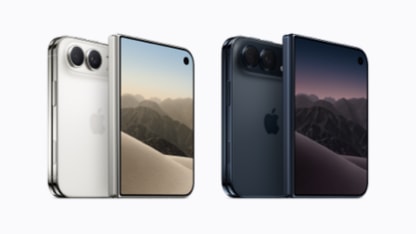
- Foldable Phones Are Expanding Mobile Possibilities
Foldable smartphones offer a different approach to mobile design. They can combine a compact form with a larger screen when unfolded, making them useful for multitasking, reading, watching videos, and working on documents.
Despite their advantages, foldable phones may cost more than conventional devices. Buyers should also consider durability, repair costs, crease visibility, and battery performance before purchasing one.
As the technology develops, improvements in hinges, displays, and software could make foldable devices more practical for everyday use.
- Faster Connectivity Is Changing Mobile Experiences
Mobile connectivity plays an important role in how people use their smartphones. Faster networks can improve downloads, video streaming, online gaming, and cloud-based applications where suitable coverage is available.
However, actual speeds depend on the network, location, device compatibility, and congestion. Not every user needs the fastest available connection, particularly if their everyday activities mainly involve messaging, browsing, and standard video streaming.
Reliable coverage and an affordable data plan can be just as important as maximum speed.
- What Should You Consider Before Buying a Smartphone in 2026?
Choosing the right smartphone is about more than buying the newest or most expensive model.
Before making a purchase, consider these factors:
- Performance: Choose a processor suitable for your daily tasks and gaming needs.
- Battery life: Look for reliable real-world endurance.
- Camera quality: Compare sample photos and video performance rather than megapixels alone.
- Software updates: Check the manufacturer's update policy.
- Storage: Select enough space for your apps, photos, videos, and files.
- Price: Compare features and long-term value within your budget.
- AI features: Decide whether the available AI tools are genuinely useful to you.
A well-balanced smartphone can offer a better experience than an expensive device with features you rarely use.
The Future of Smartphone Technology
Smartphones are evolving from communication devices into increasingly capable personal assistants, creative tools, and productivity platforms.
Artificial intelligence, more efficient hardware, improved photography, and new display designs are likely to remain important areas of development. At the same time, battery life, durability, software support, privacy, and affordability will continue to influence what consumers expect from their devices.
The biggest change may not be a single new feature. Instead, it could be the way smartphones combine different technologies to make everyday tasks easier.
Frequently Asked Questions
What is the biggest smartphone technology trend in 2026?
AI-powered features are an important trend, alongside improvements in cameras, battery efficiency, connectivity, and foldable displays.
Are AI smartphones worth buying?
They can be useful for writing, translation, photo editing, productivity, and other supported tasks. Their value depends on which features are available and whether you will actually use them.
Will smartphone cameras replace professional cameras?
Smartphones are capable of producing excellent photos and videos, but dedicated cameras can still offer advantages in areas such as interchangeable lenses, specialized controls, and certain professional workflows.
What matters most when buying a new smartphone?
Battery life, performance, camera quality, software support, storage, durability, and price are all important. The best choice depends on your personal needs.
Final Thoughts
Smartphone technology is advancing in several directions at once. AI, photography, connectivity, and hardware improvements are creating new possibilities, but the best phone is not necessarily the one with the most features.
For consumers, the smartest decision is to compare real-world performance, long-term software support, and overall value before upgrading.
At TrendingPulse, we will continue exploring technology trends, useful digital tools, and practical guides to help readers make informed decisions in a rapidly changing digital world.